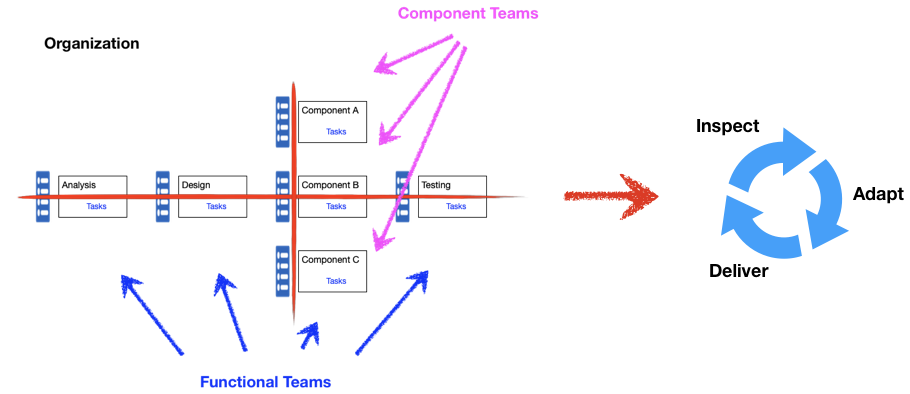
(Originally published by Lv Yi on June 12, 2019) In this article, we shall look at the structure of functional and component teams, explore the dynamics around their backlogs, analyze its impact on agility, and find the lever to optimize for agility. A functional team is responsible for functional work...
(Originally published by Lv Yi on June 8, 2019)
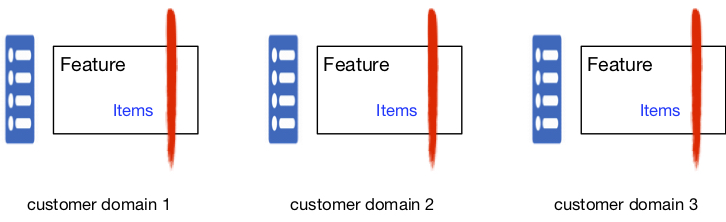
This is the first article in a series about “number of backlogs and multi-learning”. It introduces three common team structures in product development organizations.
(Originally published by Lv Yi on Sep 22, 2018) The number of backlogs is the ultimate lever for agility. This is the insight we gained from the systems modeling exercises in my recent CLP course. I used to think of two main designs from LeSS: 1) one product backlog, and...
The Essence of Scrum
Unfortunately, many so-called Scrum adoptions keep missing the essence of Scrum. They are too preoccupied with the mechanics of Scrum; process, roles, meetings, and certifications. Or, even worse, they are obsessed with non-Scrum practices such as stories, points, velocity, task boards, or product boxes.
 by Yi Lv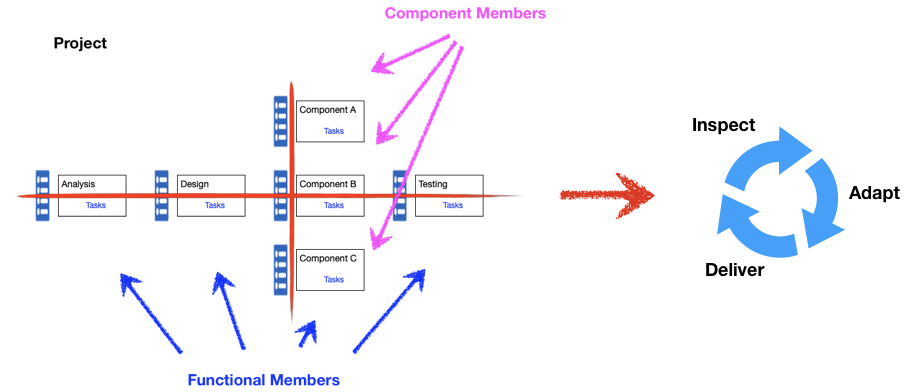

 by Bas Vodde
 RSS feed