The Essence of Scrum

The Essence of Scrum

Unfortunately, many so-called Scrum adoptions keep missing the essence of Scrum. They are too preoccupied with the mechanics of Scrum; process, roles, meetings, and certifications. Or, even worse, they are obsessed with non-Scrum practices such as stories, points, velocity, task boards, or product boxes.

Know the difference between Multiple Scrum Teams and Multi-Team Scrum

(this article is part of the upcoming “97 Things every Scrum practitioner should know” by Gunther Verheyen (editor))

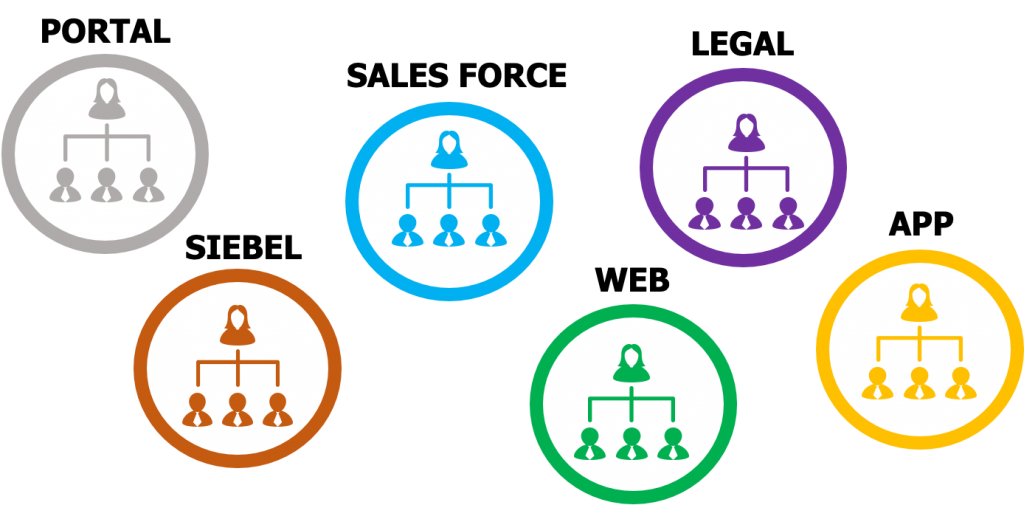
When applying Scrum to a product with more than one Development Team, there is really little guidance in the Scrum Guide. The Scrum Guide seems focused on one-team Scrum for the most part. The only hint you get is in the Product Backlog section:

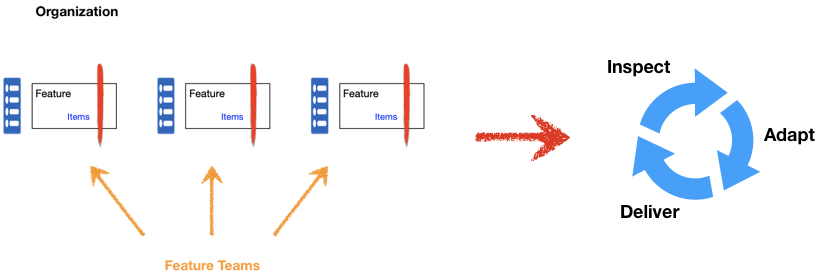
Multiple Scrum Teams often work together on the same product. One Product Backlog is used to describe the upcoming work on the product. A Product Backlog attribute that groups items may then be employed. (Scrum Guide November 2017)

We learn that, with multiple teams, we are advised to still use a single Product Backlog. Nothing is mentioned regarding the roles of Product Owner, Development Team, or Scrum Master other than “multiple Scrum Teams” working on the same product.

But how do you decide over priorities? If we take the Scrum Guide literally, there could be more than one Product Owner in each of the Scrum Teams on that product, or it could be the same person for all the teams involved.

Generally, this is the distinction between “Multiple Scrum Teams” and “Multi-Team Scrum”.

Exploring different mental models

(Originally published on Odd-e’s blog)

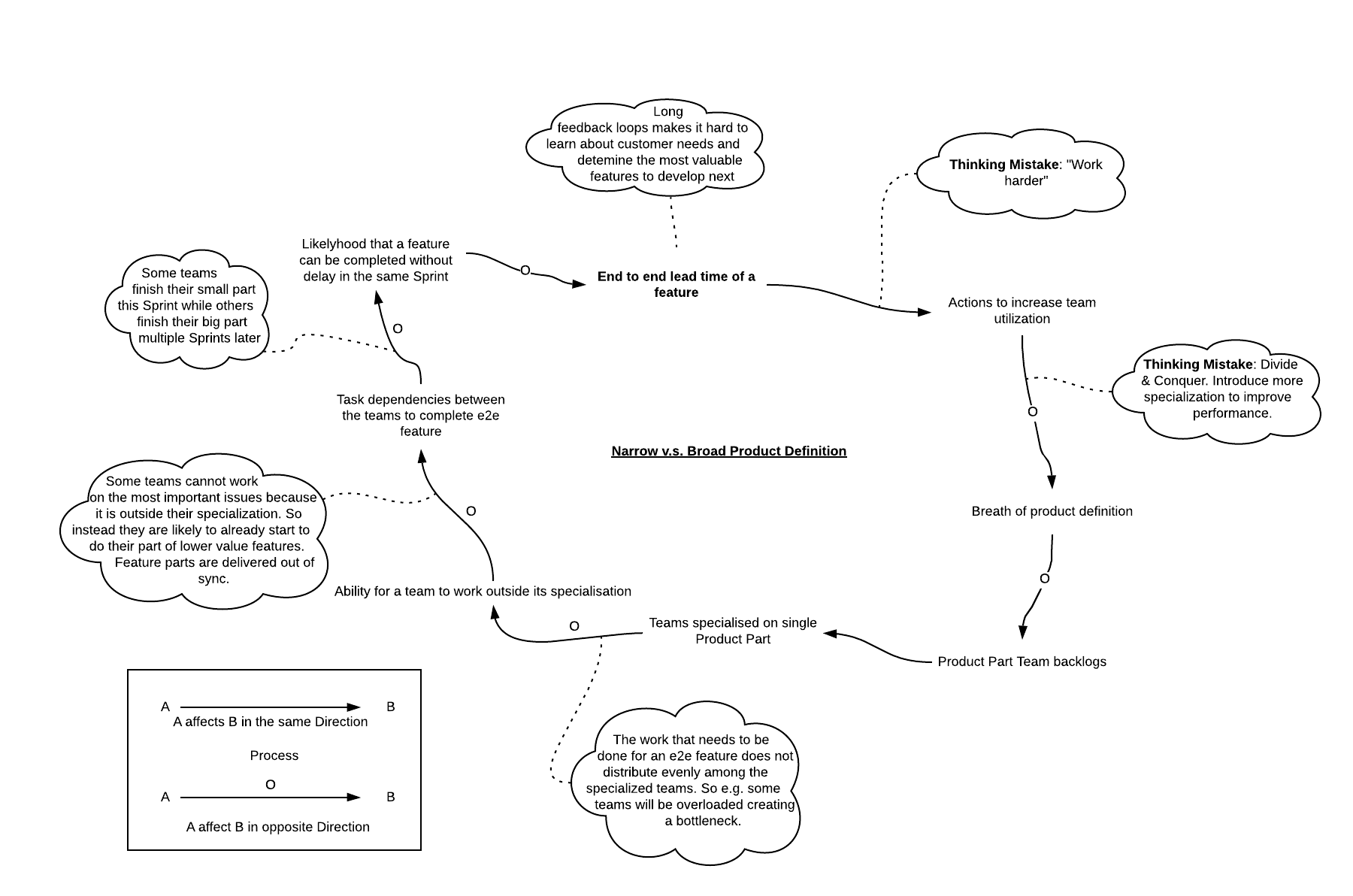
A mental model reflects an individual’s beliefs, values, and assumptions. As those are internal, we need to somehow express them in order to learn and improve. Causal Loop Diagram (CLD) is a powerful technique from Systems thinking. Models created using CLD often reflect the mental models of people creating them. We could explore different mental models by simply doing advocacy and inquiry with CLD. Balancing advocacy and inquiry is one key practice for the discipline of mental models, among the five disciplines from the classical “The fifth discipline” book.

In this article I’d like to share with you an example. It came from my CLP when we were doing system modeling for the number of backlogs and its impact on adaptiveness.